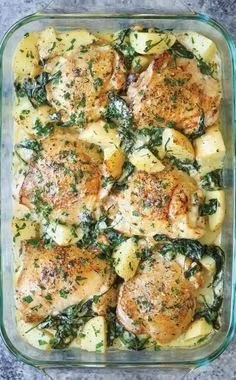
Cooking a delicious homemade vegetable stir-fry is a fantastic way to enjoy a healthy, colorful meal that can be ready in minutes. This recipe for vegetable stir-fry is worth making because it combines fresh ingredients with bold flavors to create a comforting dish that’s perfect for any dinner. Plus, it’s incredibly versatile, making it easy to adapt with whatever veggies you have on hand.
Why You’ll Love Vegetable Stir-Fry
- Quick and Easy: This dish comes together in under 30 minutes, making it ideal for a weeknight meal when you’re short on time.
- Nutritious and Colorful: Packed with various vegetables, this stir-fry is not only vibrant but also offers a range of nutrients, keeping your meals wholesome.
- Customizable: Use any vegetables or proteins you prefer, allowing you to create a unique dish every time.
- Flavorful Sauce: A simple soy-based sauce elevates the dish, providing that delicious umami flavor without overwhelming the fresh ingredients.
- Great for Meal Prep: This stir-fry can be made in bulk and stored, making it a perfect option for meal prepping for the week.
Recipe Overview
- Prep Time: 10 minutes
- Cook Time: 15 minutes
- Total Time: 25 minutes
- Servings: 4
- Difficulty Level: Easy
Ingredients You’ll Need for Vegetable Stir-Fry
- 2 tablespoons vegetable oil: For sautéing the vegetables. You can substitute olive oil or sesame oil for a different flavor.
- 1 red bell pepper: Sliced. It adds sweetness and color.
- 1 yellow bell pepper: Sliced. Like the red pepper, it adds sweetness.
- 2 cups broccoli florets: Provides crunch and is high in vitamins.
- 1 medium carrot: Julienned or sliced. It adds color and a slight sweetness.
- 1 cup snap peas: For a crisp texture and fresh flavor.
- 3 green onions: Sliced. They add a mild onion flavor.
- 3 cloves garlic: Minced, for depth of flavor.
- 1 tablespoon fresh ginger: Grated or minced, adds warmth and zest.
- ¼ cup soy sauce: For a savory umami flavor. Use low-sodium soy sauce if desired.
- 1 tablespoon sesame oil: Adds a rich, nutty flavor. (Optional)
- Salt and pepper to taste: To season.

How to Make Vegetable Stir-Fry
- Prepare the Vegetables: Wash and slice all the vegetables. This will help streamline the cooking process.
- Heat the Oil: In a large skillet or wok, heat the vegetable oil over medium-high heat until shimmering.
- Sauté the Aromatics: Add the minced garlic and ginger, stirring frequently for about 30 seconds until fragrant.
- Add the Harder Vegetables: Toss in the sliced carrots and broccoli florets first. Stir-fry for about 3 minutes until they start to soften.
- Incorporate Bell Peppers: Add the red and yellow bell peppers, continuing to stir-fry for an additional 3-4 minutes.
- Finish with Snap Peas and Onions: Add the snap peas and green onions, stirring everything together for another 2 minutes. The vegetables should be cooked but still vibrant and crisp.
- Add Sauce: Pour the soy sauce (and sesame oil if using) over the vegetables. Stir until everything is evenly coated and cook for another minute.
- Season and Serve: Season with salt and pepper to taste, then remove from heat. Serve hot over rice or noodles.
Tips for Success
- Don’t Overcrowd the Pan: Stir-fry in batches if necessary. Overcrowding can lead to steaming rather than searing.
- Use High Heat: Keeping the heat high ensures a quick cook and prevents the veggies from getting soggy.
- Prep Ahead: Take the time to prep all your vegetables in advance. This makes the cooking process smoother.
- Customize Sauce: Feel free to tweak the sauce with additional ingredients like hoisin sauce or chili paste for heat.
- Stir Constantly: Stirring continuously helps cook the vegetables evenly and keeps them from burning.
Easy Variations
- Add Protein: Mix in tofu, chicken, shrimp, or beef for a heartier meal.
- Spice It Up: Include red pepper flakes or chili sauce to add heat.
- Switch up the Veggies: Use seasonal vegetables like zucchini, asparagus, or mushrooms based on what you have.
- Dine without Gluten: Substitute soy sauce with tamari for a gluten-free option.
- Noodle Consideration: Instead of serving it over rice, try it with rice noodles or even quinoa for a different base.
What to Serve with Vegetable Stir-Fry
- White Rice: A classic option that soaks up all the delicious sauce.
- Brown Rice: For a healthier, whole-grain alternative.
- Noodles: Serve over lo mein, soba, or rice noodles for added texture.
- Spring Rolls: Light and crispy, they complement the stir-fry well.
- Asian Salad: A fresh, crisp salad adds a refreshing contrast to the warm stir-fry.
Storage and Reheating
- Refrigerator Storage: Store leftovers in an airtight container in the fridge for up to 4 days.
- Freezer Storage: If frozen, the stir-fry will keep for about three months. It’s best to freeze without sauce, which can alter the texture.
- Best Reheating Method: Reheat in a skillet over medium heat until warmed through, adding a splash of water or broth to maintain moisture.
- Preserving Texture: Avoid reheating in the microwave too long as it can make veggies soft.
Common Mistakes to Avoid
- Overcooking: Cook just until vegetables are tender-crisp; they should retain their vibrant color.
- Lack of Prep: Not prepping ingredients ahead can lead to uneven cooking and longer cook times.
- Neglecting the Sauce: Skipping the sauce will make the dish bland. Make sure to coat the vegetables well.
- Using the Wrong Pan: A wide pan or wok allows for better cooking space and heat distribution.
- Not Tasting: Always taste and adjust seasoning before serving.
Vegetable Stir-Fry: Background & Cultural Inspiration
Vegetable stir-fry has its roots in Asian cuisine, particularly from China where stir-frying became popular due to its efficiency and the unique flavors it can impart to a myriad of ingredients. Many countries in Asia have integrated their local vegetables and spices into this versatile cooking style, allowing it to evolve into countless variations. This dish is a fantastic representation of how simple cooking techniques can produce hearty meals while celebrating seasonal ingredients.
Frequently Asked Questions
Can I use frozen vegetables instead of fresh?
Yes, frozen vegetables work well in stir-fry. Just ensure they are thawed and drained before cooking to avoid excess moisture.
How can I make this dish spicier?
Add fresh chopped chilies, a pinch of red pepper flakes, or spicy chili sauce to the mix while cooking.
Can I make the sauce in advance?
Absolutely! Prepare the sauce ahead of time and store it in the refrigerator for up to a week. Just give it a quick stir before using.
Is it possible to make this stir-fry vegan?
Yes, this stir-fry is already vegan. Ensure any added sauces or proteins are vegan-friendly as well.
How can I ensure my vegetables stay crisp?
Cook them on high heat and avoid overcrowding the pan. Quick cooking is key to retaining their snap and vibrancy.
Final Thoughts
This vegetable stir-fry is not just a quick and easy meal; it also encourages creativity and experimentation in the kitchen. With a myriad of flavor options and variations, it’s a dish worth trying again and again. Enjoy the fresh ingredients and make it your own any night of the week!